

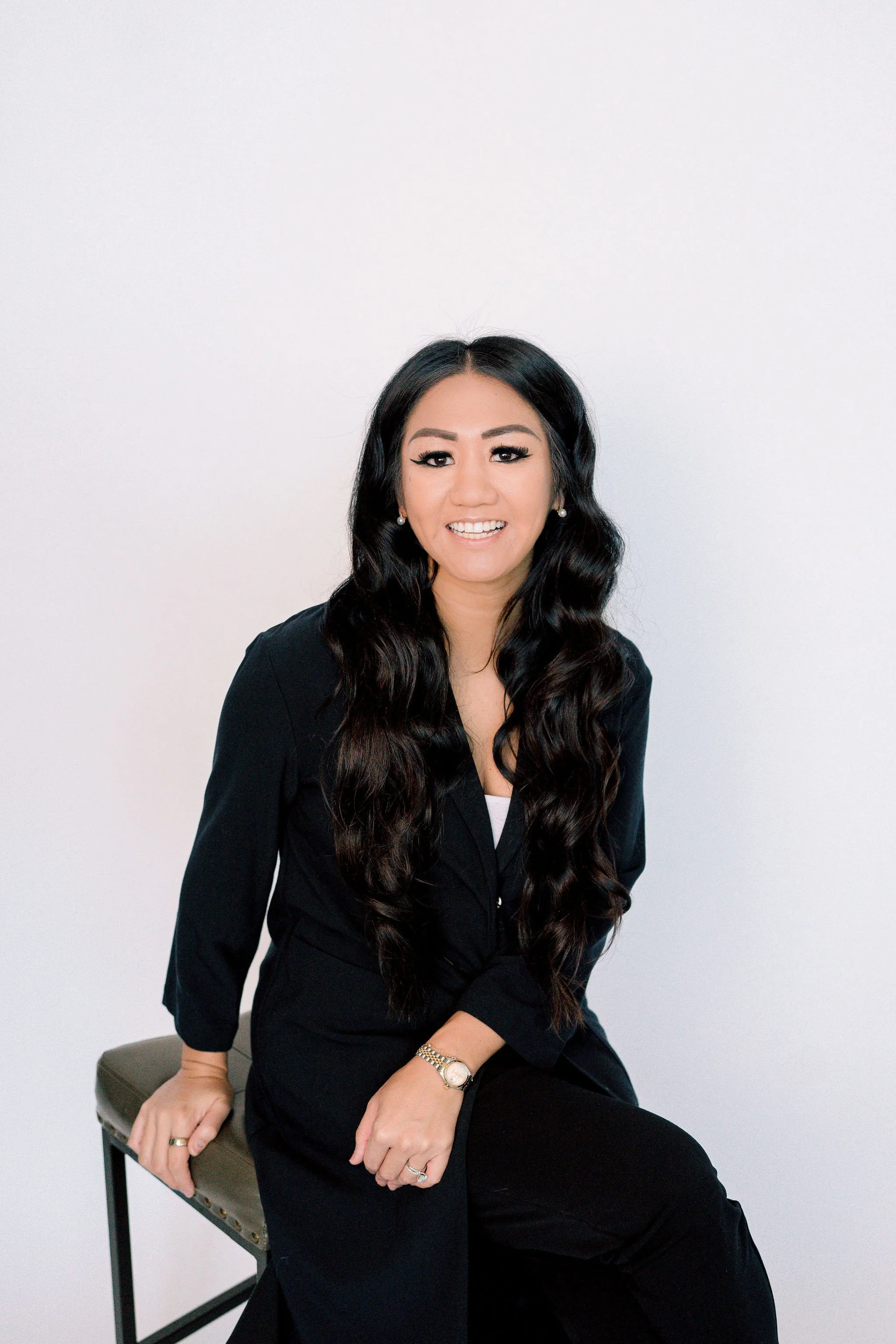
Before I ever planned a wedding, I was the host.
I grew up in a house where the door stayed open and nobody left hungry. My mom set every table like someone important was coming, and someone always was. She'd have a plate made for you before you knew you were hungry. That was the training — watching her notice what a room needed before the room knew.
Then more than ten years of my own in customer service, on the floor, where you learn quickly that people forget almost everything except how they were treated. I started GIAN in 2017 out of my parents' garage with those two things and one rule: the guest comes first, and everything else is a logistics problem to be solved quietly.
Nine years on, that hasn't changed. It simply runs further — Seattle, Los Angeles, Napa, and weekends in Dallas, Hawaii, Jamaica, and Tuscany. Years from now you shouldn't remember what your weekend looked like. You should remember how it felt to be in it.
the roots of GIANFILIPINO hospitality, meets a decade on the floor.
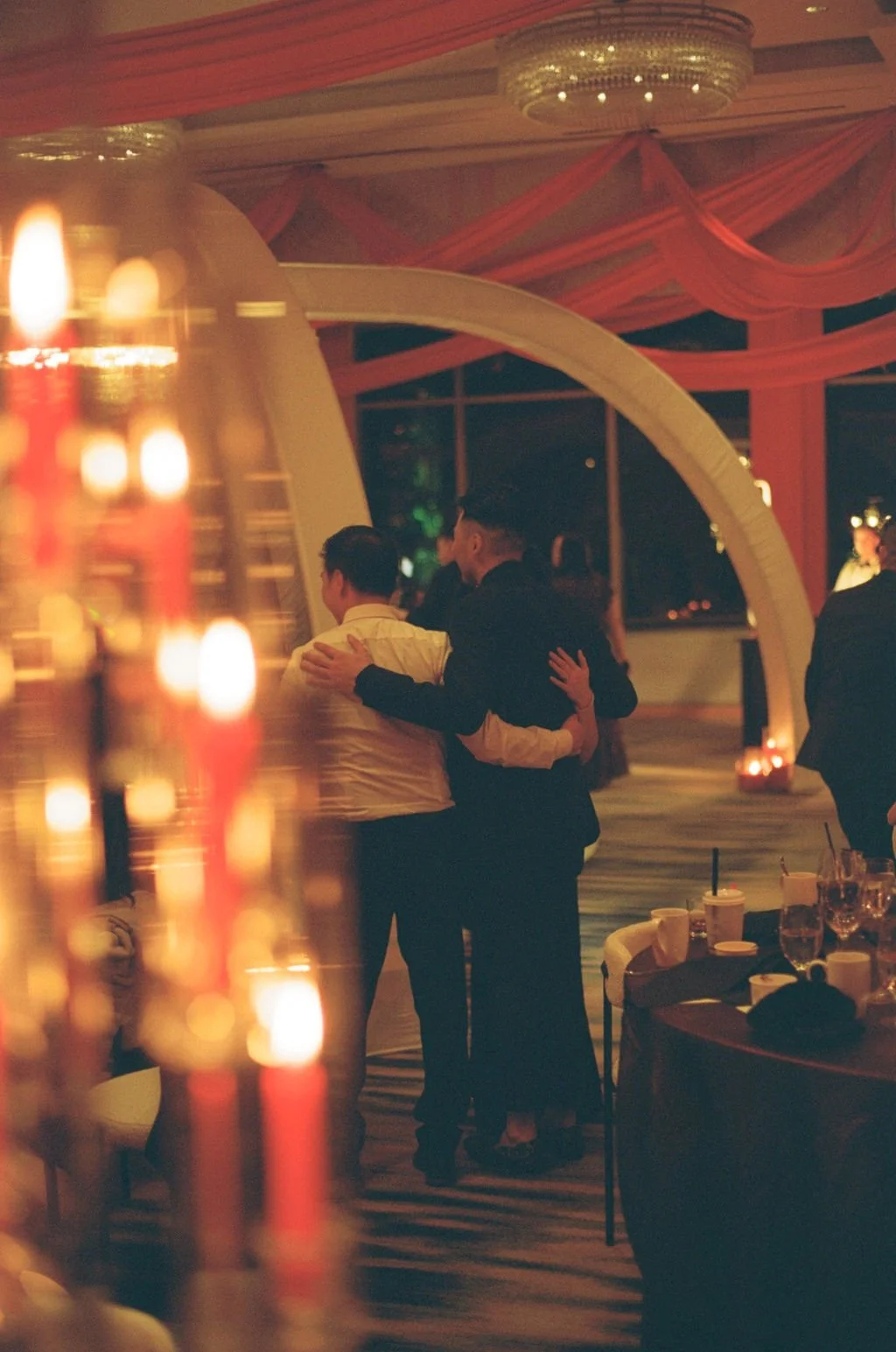
The standard here isn't an industry one. It's Filipino — learned at my mother's table long before anyone was paying me for it — and then sharpened by more than ten years working in customer service myself. One taught me that hospitality is attention rather than performance. The other taught me that it holds up under pressure or it isn't real. Everything we do still runs on both.
our philosophy
01
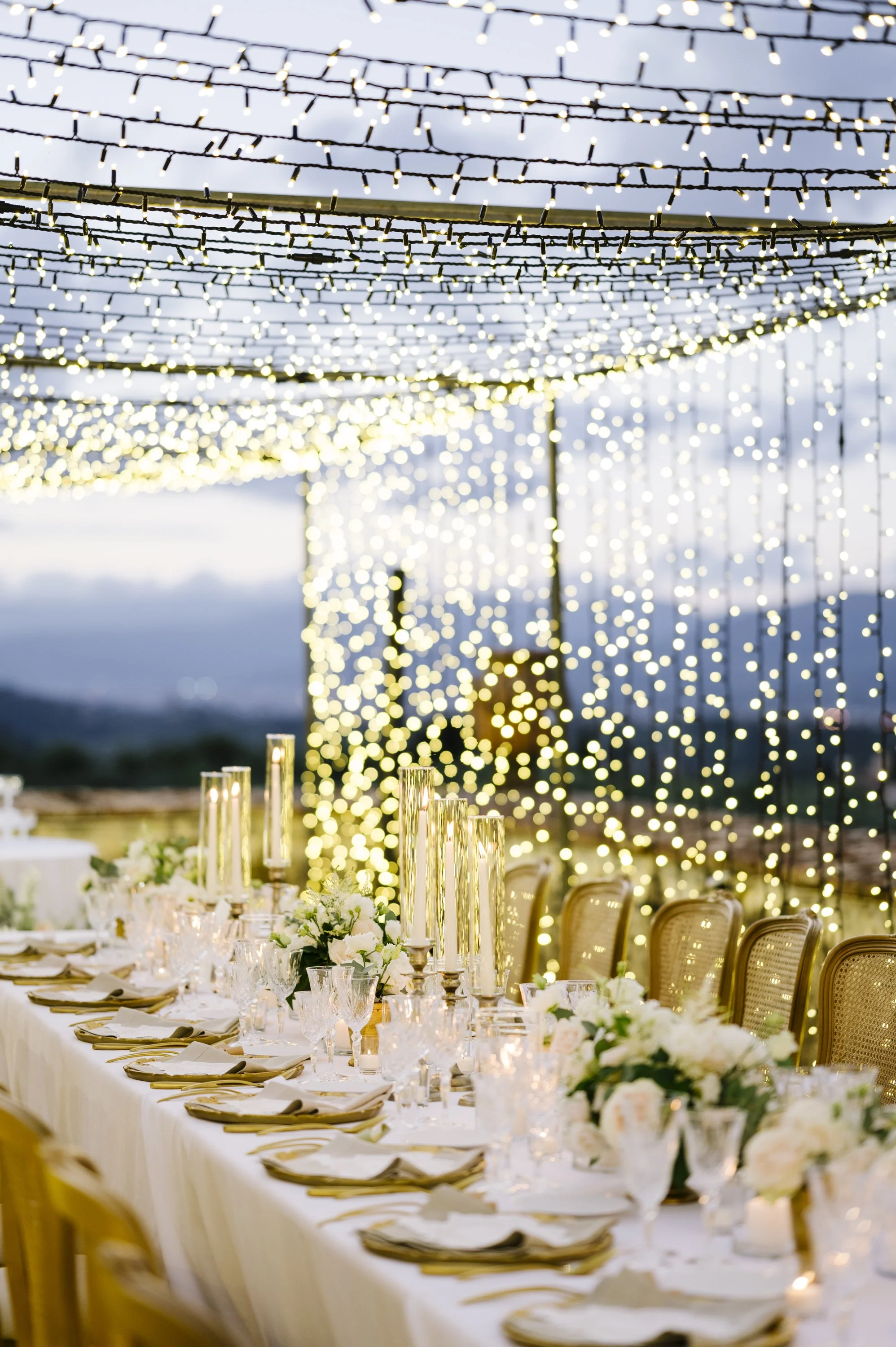
hospitalityGuests before aesthetics, always. Beautiful is where we start — every decision after that is weighed against how the room feels to stand in.
02
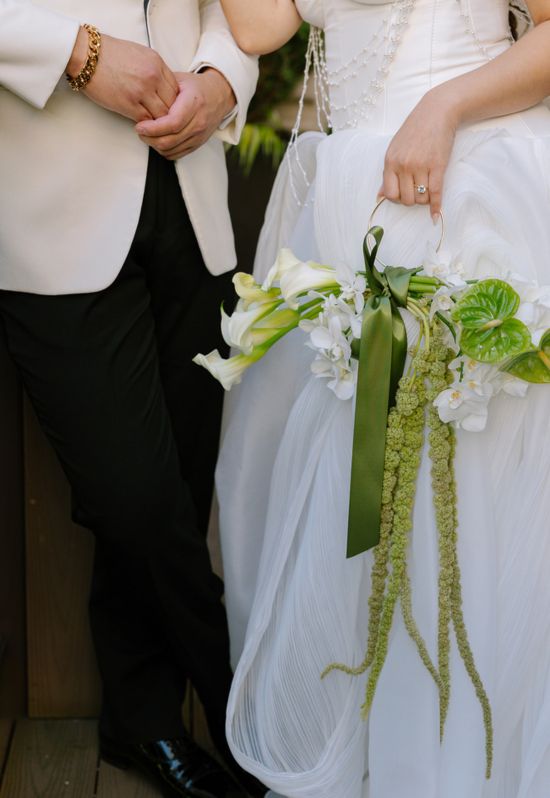
PASSIONWe design it and we set it ourselves. Floor plans, tabletop, installations, print — carried from the deck to the table by one team, so the idea and the execution never drift apart.
03
HONESTYConsidered, private, a few steps ahead. Excellence is quiet rather than hurried, and most of our best work is the part you never saw happen.

HERE'S WHAT I THINKTHE MOST BEAUTIFUL THING in A ROOM IS EASE
What nine years of weekends taught me about where the work actually lives.
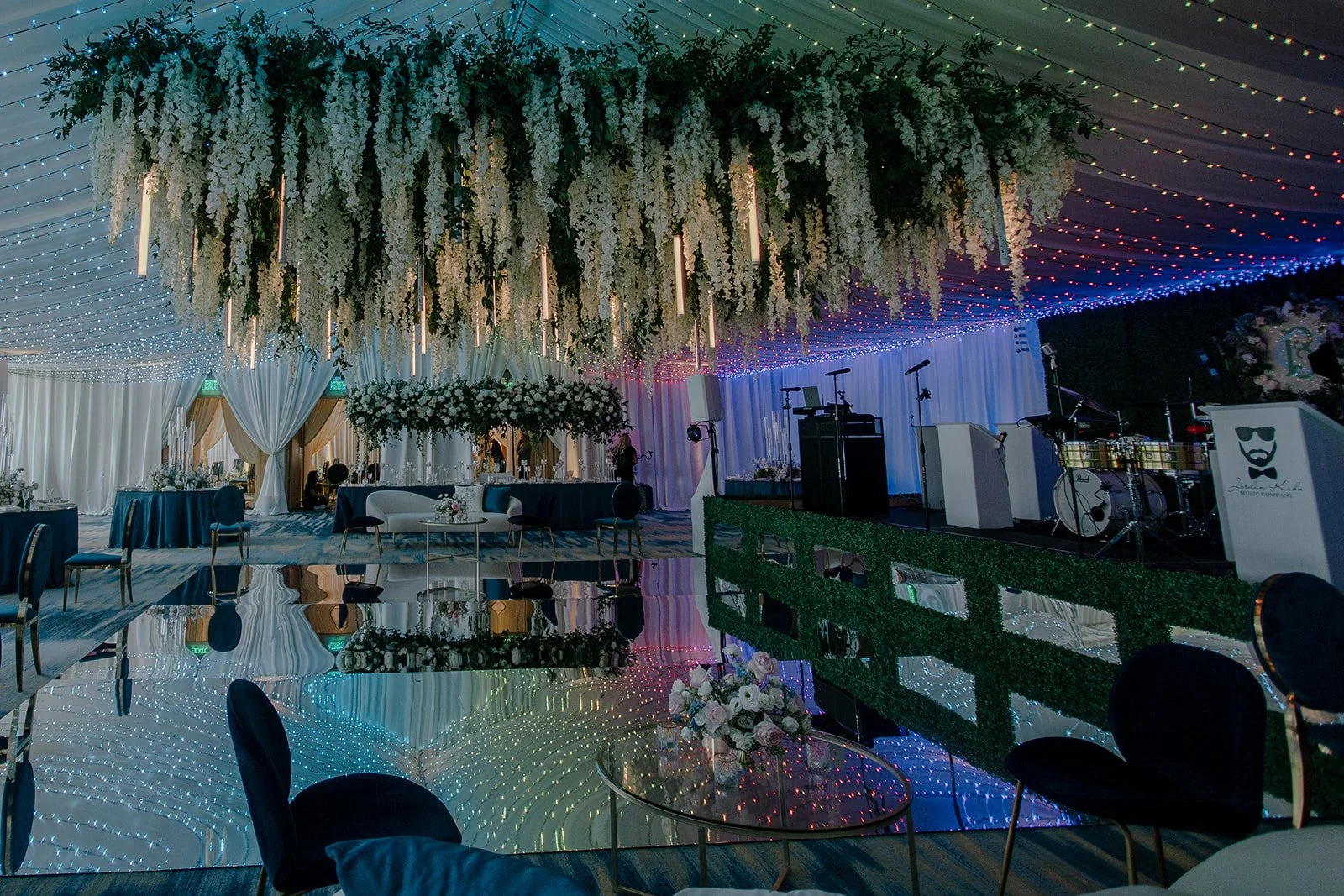
Anyone can build a beautiful room. What's difficult is building one that behaves — where three hundred people move through an evening without a single moment of friction, and never know why. That's not a design question or a logistics question. It's the same question, answered twice. The floor plan is a design decision and a traffic decision. The timeline is a schedule and an emotional arc. When we get them right together, the room feels effortless. When we separate them, it looks expensive and feels awkward.
Which is why I don't think of us as designers who also coordinate, or coordinators with good taste. Every choice we make gets asked twice: does this make the room more beautiful, and does it make the night easier to be in? Anything that only answers one of those doesn't survive the conversation. The result is a weekend that seems to have simply happened — and that impression is the most laborious thing we build.
And that’s why I love what I do.
Best,
Reneille